
Europe's Digital Curtain




Creating Second-Class Digital Citizens
In September of 2022 the European Union passed the Digital Markets Act (DMA), a sweeping regulatory framework explicitly targeting large, foreign tech companies - or so-called "gatekeepers" - like Google, Apple, Meta, Amazon, Microsoft, and ByteDance. Among other restrictions, the DMA limits these companies from offering integrated services in an bid to boost homegrown competition in Europe’s stagnant digital economy.
Since its enactment, a host of critics - including academics, economists, industry players, and consumer groups - have sounded the alarm on the DMA’s unintended consequences. Two years later, these fears have materialized, resulting in a "Digital Curtain" around Europe, reminiscent of the Iron Curtain that once separated Eastern and Western Europe.
Touted as a catalyst for European innovation and competition, the Digital Markets Act has done the opposite: isolating European consumers from the full potential of the digital age.
From disjointed consumer experiences to delayed product rollouts, the evidence is clear: the DMA has drawn a digital curtain around European users, shrouding them in a degraded digital economy.
Consequence
Degraded Apps and Services
European consumers are grappling with more fragmented, less intuitive digital services. From disjointed search results to cumbersome app installations, the DMA has introduced friction where seamless integration once prevailed.

Consequence
Less Safe and Private Services
The forced modularity mandated by the DMA has created security gaps and exposed users to greater cybersecurity threats. Requiring third-party app stores and sideloading has created new vectors for malware and privacy breaches, compromising user data.

Consequence
Delayed or Unavailable Innovations
The DMA has created an environment of regulatory uncertainty for tech innovators, causing significant delays in the rollout of cutting-edge technologies in Europe. From AI-powered features to new social media platforms, European users are increasingly finding themselves behind the global curve in accessing the latest digital innovations.
In some cases, companies have been forced to remove features entirely from their European offerings to comply with the DMA, leaving EU consumers with less capable versions of popular services compared to their global counterparts.
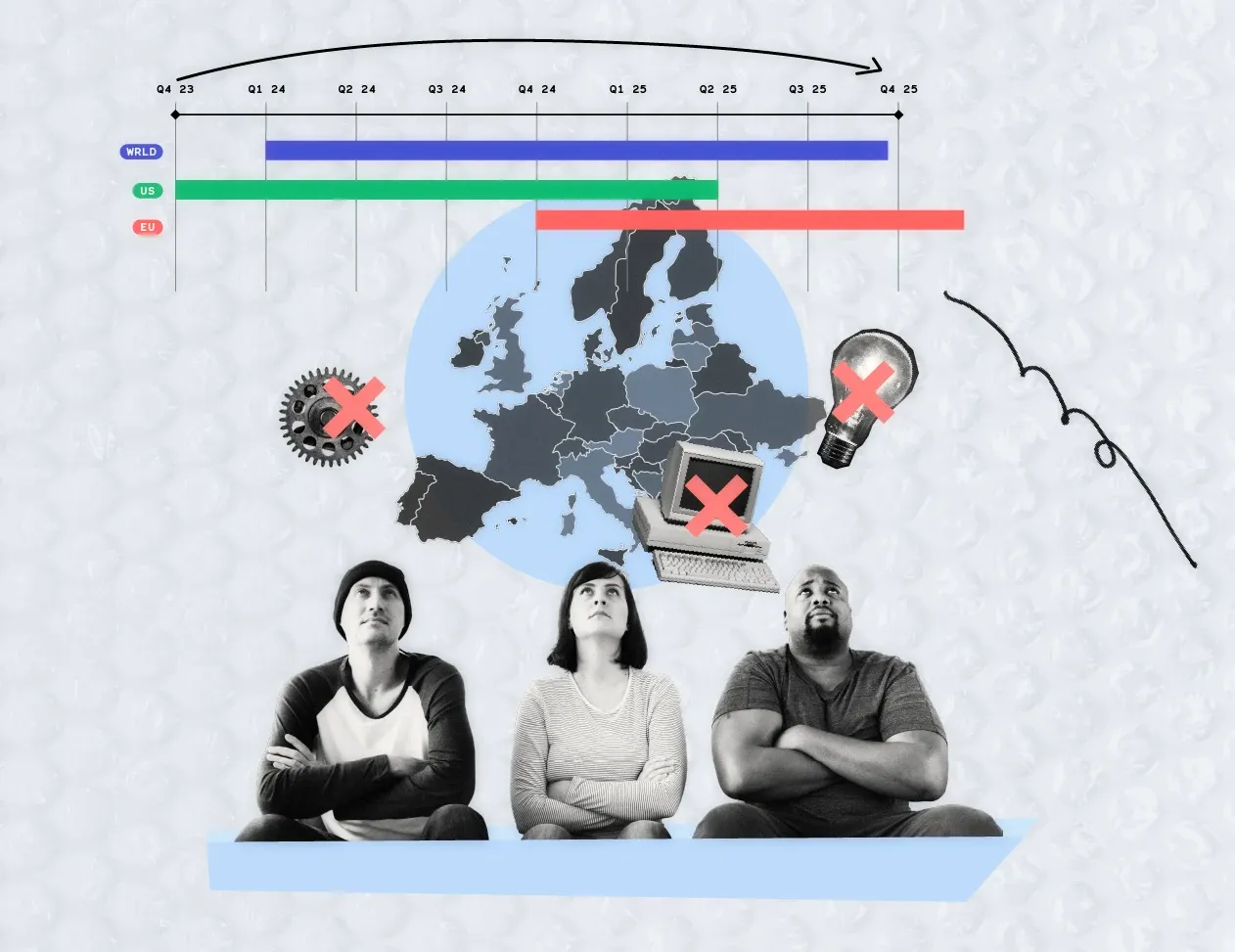
What European Users Are Missing
features and services withheld, removed, or delayed in the EU because of the DMA
| Feature | Since | In the EU |
|---|---|---|
| HomeView smart home hub Not for sale in the EU. The device is built around Siri AI. | Oct 2026 | Not available |
| Real-time prices in travel search results Removed from hotel, airline and restaurant results in Google's EU search redesign. | Sep 2026 | Removed |
| Siri AI No EU timeline after the Commission rejected Apple's proposed rollout. | Jun 2026 | Not available |
| Gemini Spark Google's always-on personal AI agent, announced at I/O. Expanded to more than 160 countries in July 2026, but still not offered in the EU. | May 2026 | Not available |
| Live Translation on AirPods Missing at launch in the EU. Arrived with iOS 26.2. Reached the EU Dec 2025, about 3 months late | Sep 2025 | Arrived late |
The Report
Chamber of Progress outlined the DMA’s specific consequences in a first-of-its-kind report highlighting 10+ examples of worsened consumer experiences on popular apps and services. The DMA means that European consumers are missing out on customized job recommendations on LinkedIn, integrated search results on Google, new AI tools from Apple and Meta, and much more.
Global policymakers should see Europe’s experience under the DMA as a cautionary tale. Before embracing similar regulations, other jurisdictions must consider whether they want to join Europe behind its Digital Curtain – or whether their citizens and economy would be better off enjoying faster technological advancement outside.
Download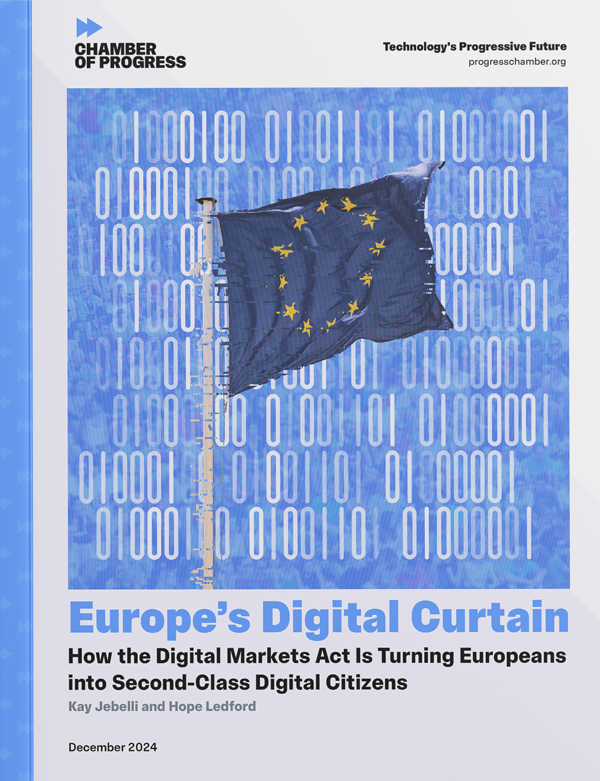
Updates
RSS feed-

DMA delays keep Apple’s HomeView off the EU market
European consumers will miss out on Apple’s new HomeView smart home hub because of the DMA, AppleInsider reports. No EU launch date has been announced.
-

DMA overhaul brings largest reduction in search quality in Google history
Google has begun rolling out changes to European search results following the European Commission’s €460 million DMA fine, removing useful features such as real-time prices.
-
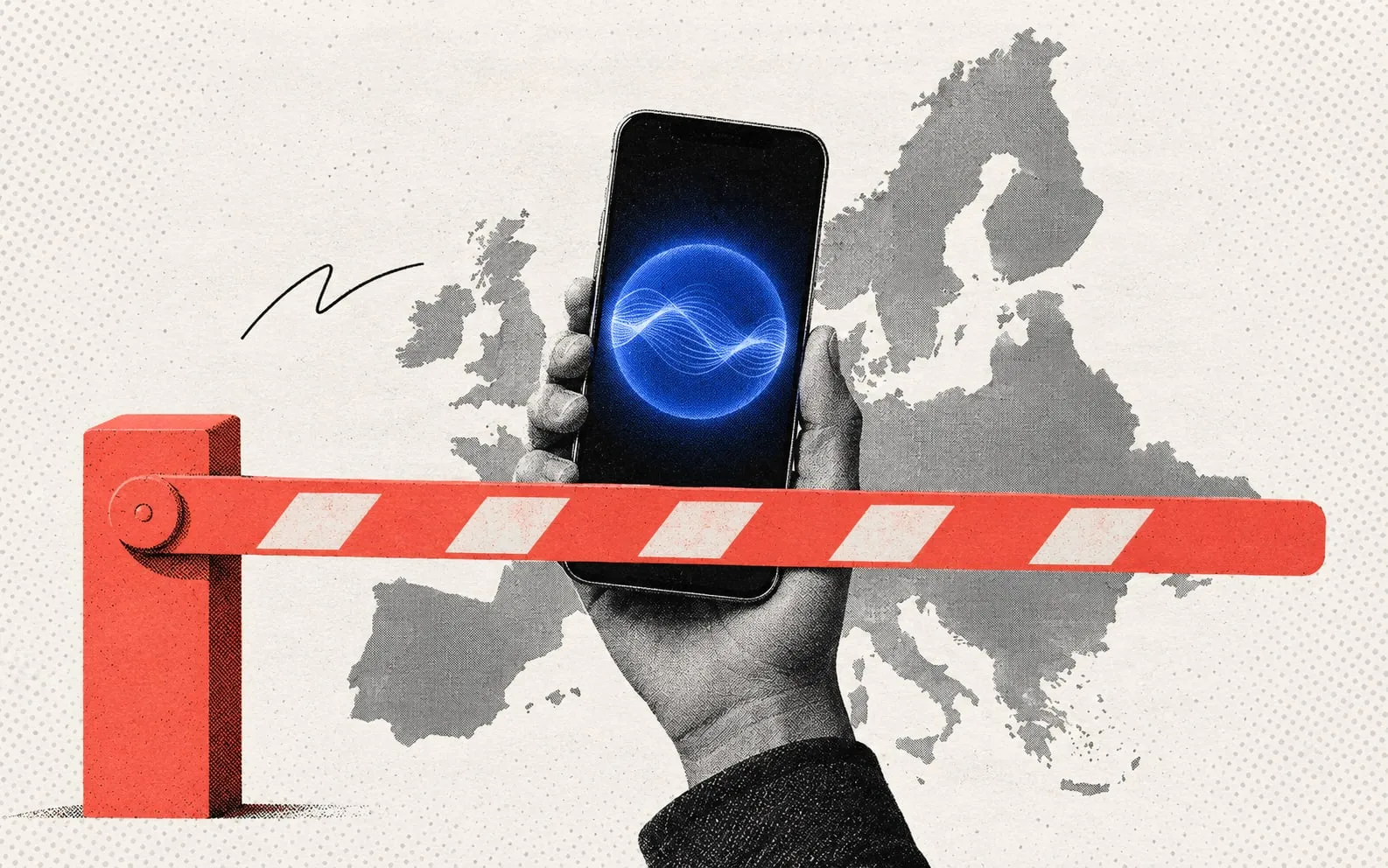
European users won't get Apple's new Siri AI features because of DMA
Apple has confirmed that EU users will not get its new Siri AI features when iOS 27 and iPadOS 27 launch, citing the Digital Markets Act.
-
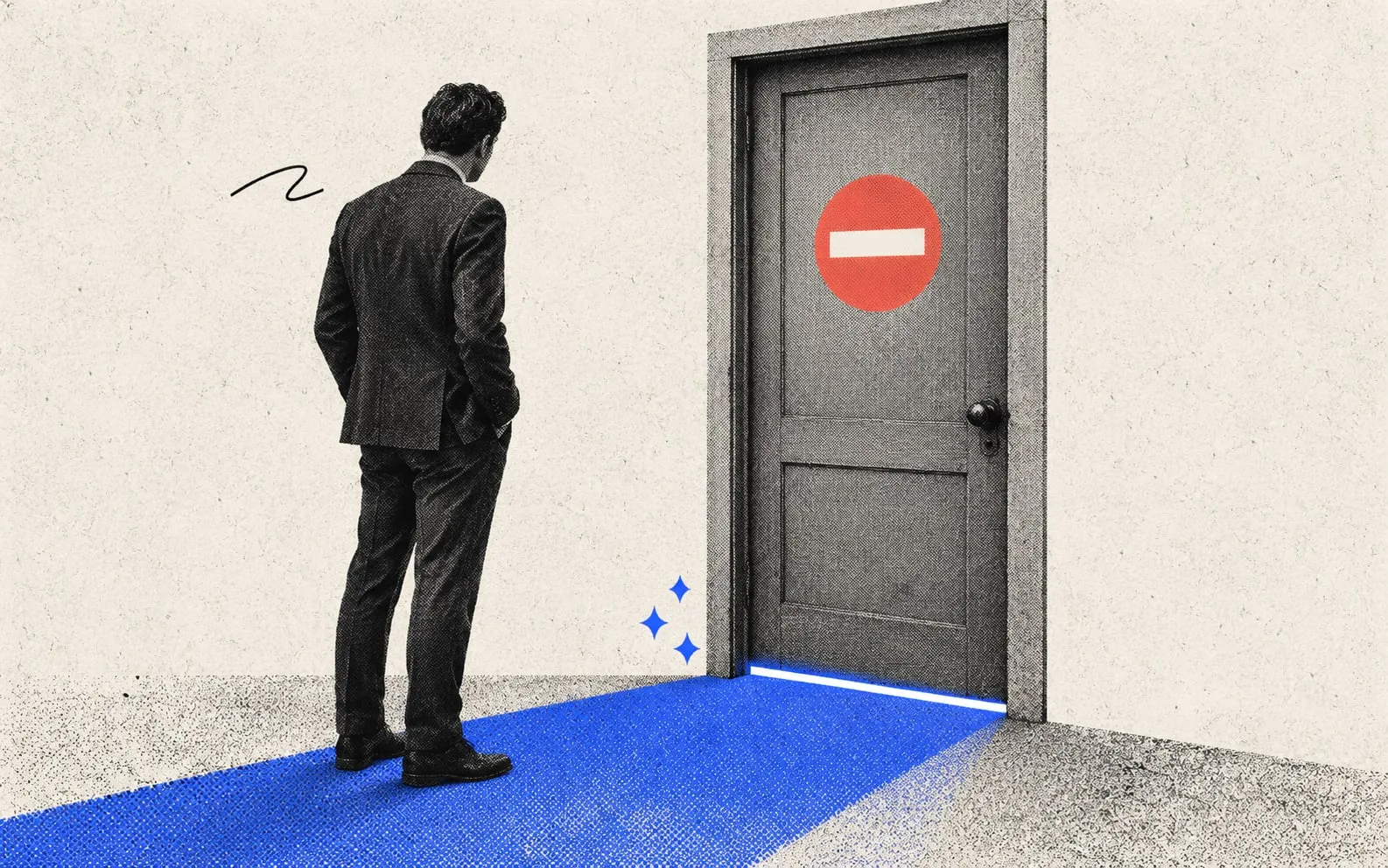
Google I/O shows the next wave of AI innovation is being delayed for Europeans
Google’s latest I/O announcements bring another reminder that European users are increasingly missing out on the latest innovations.
-

Survey finds rising consumer frustration with the DMA
A new research paper reports broad consumer discontent with the impact of the EU’s Digital Markets Act.
-

European users won't get live AirPods translation features because of DMA
Apple’s new AirPods Pro 3 bring live translation of incoming audio everywhere except the EU, at least at launch.
-

Majority of European Users Frustrated by Navigating DMA Complexities
A major new survey of 5,000 European consumers provides further evidence of the DMA’s negative impact on apps and services.
-

200,000 Facebook Marketplace users deplatformed because of DMA enforcement
A European Commission decision on who counts as a “business user” led to between 150,000 and 200,000 European users being removed from Facebook Marketplace.
-

Airlines say the DMA is driving up the cost of flying
Europe’s biggest carriers, easyJet and International Airlines Group, are blaming the EU’s Digital Markets Act for driving up airline fees.
-

Apple Forced to Approve Adult-Content App on EU iPhones
Apple confirmed that it must allow an adult-content marketplace onto iPhones in the EU, overriding long-standing App Store guidelines.